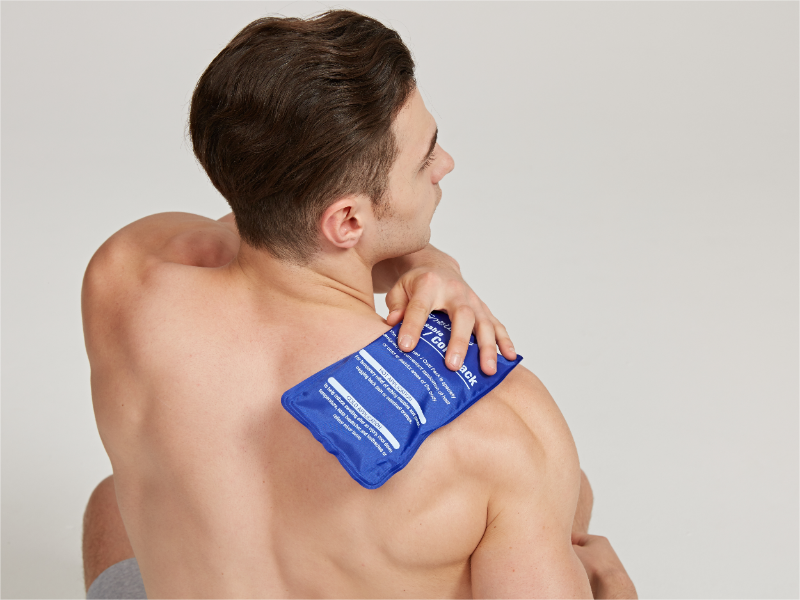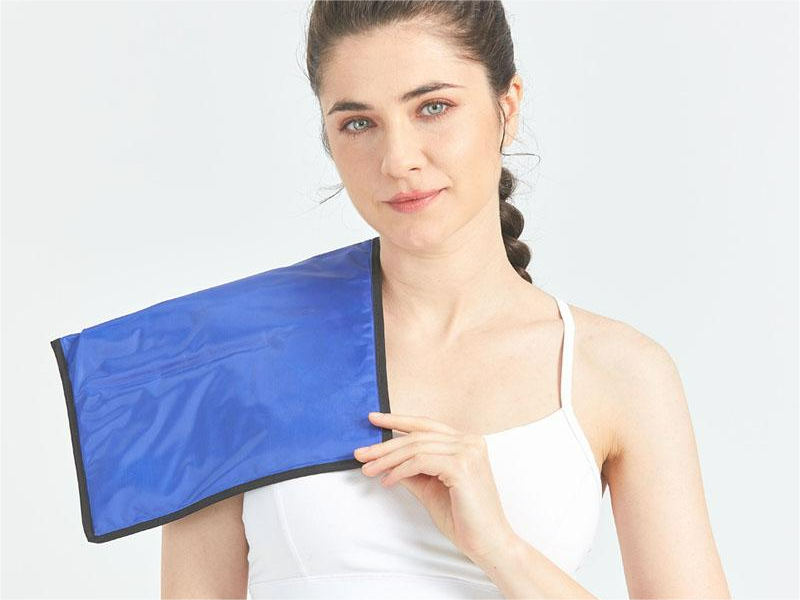
China has become a major sourcing base for migraine cooling products, including the increasingly visible Migrain Relief Hat. Suppliers serve private-label brands, wellness retailers, clinics, and online stores worldwide. Their products often combine gel packs, elastic fabrics, adjustable compression, and reusable cold therapy.
Dr. Robert E. Shapiro, a migraine neurologist and researcher, describes migraine as “a neurological disease, not just a headache.” That perspective matters. A Migrain Relief Hat should not be presented as a cure or a replacement for medical advice. It may offer temporary comfort for some users, but responses can vary considerably.
Reliable Chinese suppliers usually provide material specifications, sample orders, production photographs, and quality-control records. Buyers should inspect stitching, cooling duration, odor, skin contact materials, and packaging before placing large orders. A hat that feels cold for five minutes may not perform well during a longer episode. Small details matter.
The market is not perfectly consistent. Some catalogs look professional, yet their technical information remains thin. This is where practical evaluation becomes essential. Ask about temperature testing, washing instructions, compression adjustment, and batch consistency. Companies such as Shenzhen IceWell Health Products and Ningbo ComfortCare Medical Supplies may represent the kinds of manufacturers buyers investigate, but every supplier requires independent verification.
This guide examines leading China-based Migrain Relief Hat suppliers, their production strengths, customization options, and export readiness. It also considers a difficult point: attractive pricing can hide compromises in materials or support. Careful sourcing remains more valuable than quick purchasing.
China’s migraine relief hat manufacturing industry combines textile production, gel technology, and large-scale export experience. Many suppliers produce hats with stretch fabric, removable cold packs, or reusable thermal inserts. The better factories control stitching tension, seam strength, and material odor during production. These details matter when a hat touches sensitive skin for extended periods.
Reliable suppliers usually provide material specifications, batch records, and product samples before larger orders. Buyers should examine cooling duration, pack flexibility, and fabric recovery after repeated use. Independent testing can also check skin-contact materials and basic product safety. However, performance claims need careful wording. A relief hat may support comfort, but it should not be presented as a medical treatment without proper evidence and regulatory approval. No factory is flawless. Small defects still appear, especially during fast production periods.
Tips: Request samples from different production batches. Test the hat after washing and repeated cooling. Ask how workers inspect seams and seal gel packs. Review labeling requirements for your target market. Clear instructions should explain storage, cleaning, and safe temperature limits. Supplier communication matters too. A factory that answers technical questions with specific records is generally more dependable than one offering only attractive photographs. Pricing deserves caution. Very low quotes may reflect thinner fabric, weaker stitching, or limited quality checks. I would compare total reliability, not just the first invoice.
China’s migraine relief hat suppliers produce several practical designs for different comfort preferences. The most common type is a reusable gel cooling cap. It usually contains flexible gel panels that rest across the forehead, temples, and back of the head. Users can chill it in a refrigerator before wearing it.
Another popular option is the compression hat. Its elastic fabric applies gentle, even pressure around the head. Some users prefer this close fit during quiet rest, although excessive tightness may increase discomfort. Adjustable closures can improve fit for different head sizes. However, pressure needs careful testing.
Thermal hats offer both cooling and warming functions. Their removable inserts may support cold or mild heat use, depending on personal needs. Some Chinese factories also make lightweight sleep caps with soft linings and breathable outer fabrics. These designs focus on longer wear and reduced skin irritation.
Material selection matters. Reputable suppliers should provide fabric details, gel safety information, stitching standards, and batch inspection records. A buyer should request samples before placing a large order. Small issues often appear then.
For example, a cap may feel comfortable at first but slip during movement. Cooling duration can also differ from factory claims.
Migraine hats may ease symptoms for some people, but they are not a guaranteed treatment. Persistent or severe headaches require professional medical advice.
Evaluating China’s migraine relief hat suppliers requires more than comparing prices. The World Health Organization identifies migraine as a major neurological disorder affecting over one billion people worldwide. Demand is real, but product quality can vary sharply. Ask suppliers for material specifications, cooling temperature ranges, pressure testing, and batch records. A reliable factory should explain whether its hat is a wellness product or a regulated medical device. Avoid suppliers making guaranteed treatment claims.
Factory evidence matters. Request recent ISO 9001 or ISO 13485 certificates, then verify their issuing bodies. Certificates alone are not enough. Review audit dates, production capacity, complaint records, and independent laboratory reports. For gel-filled hats, check leakage resistance and repeated freeze-thaw performance. For compression designs, ask for pressure measurements after extended use. The 2021 Global Burden of Disease study reported that migraine affects more than one billion people, yet user comfort remains highly individual. A factory may pass testing and still produce an uncomfortable hat.
Tips: Order samples from several suppliers. Test them with different head sizes. Record cooling time, odor, stitching, and packaging damage. Ask for a small trial order before long-term cooperation. Confirm export documents and destination-market requirements in writing. Keep communication records. I would also inspect one production batch personally, if possible. Photos can mislead. My own evaluation would score quality, traceability, responsiveness, and total landed cost—not the lowest quotation. Even this method has limits. Supplier claims need independent checking.
China Top Migraine Relief Hat Suppliers Worldwide
Manufacturing Standards and Product Safety Requirements
Reliable migraine relief hat suppliers must control every production stage, from fabric cutting to final packaging. Factories should document material sources, batch numbers, and inspection results. This creates a traceable production record. It also helps buyers investigate defects quickly.
A safe hat needs soft, skin-friendly fabric and securely sealed cooling inserts. Manufacturers should test seams for leakage, stretching, and repeated washing. Gel packs require temperature testing because excessive cold may irritate sensitive skin. Clear instructions should explain cooling time, storage, and recommended use. The product should not promise to cure migraines. That claim needs careful medical review.
Supplier audits should examine worker training, hygiene controls, calibration records, and complaint handling. Independent laboratories can test materials for harmful substances and microbial contamination. Depending on the destination market, suppliers may also need documented conformity with applicable consumer-product or medical-device requirements. Standards matter, but paperwork alone is not enough. A clean factory can still miss a weak seam. No audit is perfect.
Experienced buyers often request pre-production samples and inspect random cartons before shipment. They should check stitching near the forehead, elastic tension, odor, labeling accuracy, and package damage. Small details matter. A reliable supplier welcomes questions and reports production changes honestly. Some factories may offer impressive certificates but provide limited test evidence. That deserves reflection before a long-term order.
| Supplier Region | Product Classification Consideration | Applicable Manufacturing Standard or Regulation | Key Product Safety Requirement | Recommended Supplier Documentation | Factory Quality-Control Check | Compliance Status |
|---|---|---|---|---|---|---|
| China | Consumer wellness product unless the product is marketed with medical treatment or prevention claims. | ISO 9001 for general quality management. ISO 13485 may be appropriate when the product is manufactured as a medical device. | Safe materials, secure stitching, non-irritating skin-contact surfaces, accurate product labeling, and controlled temperature-related functions where applicable. | Quality manual, material declarations, batch records, inspection procedures, test reports, and traceability records. | Incoming material inspection, dimensional checks, seam-strength inspection, visual inspection, function testing, and final random inspection. | Recommended |
| European Economic Area | Medical-device obligations may apply when intended use or marketing claims indicate treatment, prevention, or alleviation of disease. | Regulation (EU) 2017/745 on medical devices. REACH requirements may apply to chemical substances in materials and finished products. | Risk management, technical documentation, clinical or performance evidence where required, labeling, instructions for use, and post-market surveillance. | Declaration of conformity where applicable, technical file, risk-management file, material declarations, and labeling artwork. | Verification of intended use, material screening, label review, performance testing, complaint handling, and batch traceability. | Claim-Dependent |
| United Kingdom | Classification depends on intended purpose and whether the product is presented as a medical device. | UK Medical Devices Regulations 2002, as amended. General product-safety rules may apply to consumer wellness products. | Clear intended-purpose statement, safe construction, appropriate warnings, user instructions, and evidence supporting any therapeutic claim. | Declaration of conformity where applicable, risk analysis, test reports, labeling files, and supplier traceability records. | Construction review, safety testing, packaging inspection, label verification, and documented corrective-action procedures. | Claim-Dependent |
| United States and Canada | General wellness products are treated differently from products making migraine-treatment or medical claims. | U.S. consumer-product requirements may include CPSC rules and applicable textile or flammability requirements. Medical-device obligations may apply under FDA rules when claims and intended use meet the medical-device definition. | Truthful labeling, substantiated claims, safe textile and filling materials, secure closures, and protection against overheating or excessive cold exposure. | Product specifications, claim-substantiation records, material declarations, test reports, packaging files, and incident records. | Flammability or material testing when applicable, temperature-range testing, packaging inspection, and lot-level traceability. | Claim-Dependent |
| Japan | Classification depends on whether the hat is sold as a general wellness product or a medical device. | General product-safety and labeling requirements apply to consumer goods. Medical-device requirements may apply under Japan’s pharmaceutical and medical-device framework. | Readable Japanese labeling where required, safe contact materials, clear usage limitations, and controlled cooling or heating performance. | Product specification sheet, material safety information, translated labels, test reports, and manufacturing traceability documents. | Label review, appearance inspection, temperature-control verification, seam inspection, and packaging checks. | Claim-Dependent |
| Australia and New Zealand | Wellness products and therapeutic goods may follow different regulatory pathways depending on claims and intended purpose. | Applicable consumer-product safety rules and therapeutic-goods requirements should be assessed before import or sale. | Accurate instructions, safe materials, appropriate warnings, and evidence for claims involving migraine relief, pain reduction, or therapeutic effects. | Risk assessment, supplier declarations, product test reports, labeling files, and evidence supporting marketing statements. | Visual inspection, function testing, material review, label verification, and complaint-monitoring procedures. | Claim-Dependent |
| All Exporting Regions | Cold-compression hats, gel-filled caps, fabric caps, and electronically controlled products require different risk assessments. | ISO 14971 is a recognized risk-management standard for medical devices. ISO 13485 supports a medical-device quality-management system when applicable. | Identification of risks such as skin irritation, pressure discomfort, leakage, excessive cold, excessive heat, electrical hazards, and restricted vision or movement. | Risk-management plan, hazard analysis, control measures, validation reports, change-control records, and corrective-action history. | Design review, hazard-based testing, worst-case-condition testing, sample retention, and documented release approval. | Recommended |
| All Exporting Regions | Applicable to products with reusable covers, removable inserts, gel packs, or washable textile components. | Material-specific textile, chemical, and product-safety requirements depend on the destination market and product construction. | Non-toxic and skin-compatible materials, colorfastness, resistance to leakage, washable construction where claimed, and clear cleaning instructions. | Fiber or material composition, chemical test reports, washing instructions, supplier declarations, and packaging specifications. | Material identity checks, leakage testing, wash-cycle testing when claimed, colorfastness checks, and odor inspection. | Required When Applicable |
| All Exporting Regions | Applicable to products containing batteries, heating elements, cooling modules, sensors, or charging components. | Electrical and battery safety requirements depend on the destination market, voltage, battery type, and product design. RoHS may apply to electrical and electronic equipment in relevant markets. | Protection against overheating, short circuits, electric shock, battery damage, liquid ingress, and unsafe charging conditions. | Electrical test reports, battery specifications, charger information, circuit diagrams, firmware records where relevant, and transport documentation. | Charging test, insulation or electrical safety testing, thermal testing, battery protection verification, and moisture-related checks. | Required When Applicable |
| All Exporting Regions | Applicable to products marketed as helping relieve migraine symptoms, headache discomfort, stress, or sleep-related discomfort. | Advertising and product claims must be truthful, not misleading, and supported by suitable evidence. Medical claims can trigger additional regulatory obligations. | Use clear claim boundaries, avoid guaranteed outcomes, include contraindications where relevant, and state that the product does not replace professional medical advice when appropriate. | Marketing-claim review, literature support, performance-study records, approved artwork, and change-control documentation. | Review of website and packaging claims, comparison of claims with test evidence, and approval by quality or regulatory personnel. | Required |
| All Exporting Regions | Applicable to suppliers producing private-label, contract-manufactured, or customized migraine relief hats. | Documented quality-management procedures, supplier-control procedures, and change-control practices are essential for consistent production. | Consistent dimensions, materials, cooling or compression performance, labeling, packaging, and lot identification. | Approved product specification, golden sample, inspection standard, bill of materials, production records, and change-notification procedure. | Pre-production approval, in-process inspection, final inspection, defect classification, and retained reference samples. | Recommended |
China Top Migraine Relief Hat Suppliers Worldwide
Reliable migraine relief hat suppliers offer more than a finished cooling product. They support customization, packaging, and private label development from the first sample onward. Experienced teams can adjust fabric weight, stretch, seam placement, and cooling insert size. These details affect comfort during repeated wear. A sample should be tested for pressure, temperature, and durability before approval. It is not a medical treatment.
Customization works best with clear technical information. Buyers can provide measurements, logo files, color references, and target packaging dimensions. Suppliers may offer woven labels, printed care tags, instruction cards, and custom storage pouches. Small details matter. A zipper that catches can damage the user experience. A tight label can also irritate the forehead. Practical feedback should guide revisions, even when changes delay production.
Packaging needs protection and presentation. Individual polybags, recyclable cartons, and barcode labels can be matched to different sales channels. Private label orders should confirm artwork proofing, material specifications, carton marks, and inspection procedures. Product claims require careful review and should avoid promising guaranteed migraine relief. Compliance expectations also vary by market, so documentation must be checked before shipment. A perfect first sample is uncommon. One supplier may communicate quickly but overlook a minor stitching issue. Another may produce excellent samples but need stronger schedule control. Buyers should compare evidence, not promises.
China’s leading migraine relief hat suppliers typically quote about $2.50–$8.00 per piece. Prices depend on fabric, gel design, packaging, and order volume. Customized colors and printed cartons increase costs. A sample may cost $20–$60, including basic setup fees, but suppliers sometimes refund this charge after bulk production.
Minimum orders commonly range from 100 to 1,000 pieces. Smaller quantities suit market testing, although unit prices may rise sharply. Ask for a written quotation covering product cost, packaging, inspection, and export documents. Request two samples, not one. A single sample can hide stitching flaws or uneven cooling performance. Check the elastic fit, seam strength, odor, and cleaning instructions personally.
Global shipping options include express delivery in three to seven days, air freight in five to twelve days, and sea freight in roughly twenty-five to forty-five days. Delivered pricing changes with destination, carton size, seasonal surcharges, and customs handling. Suppliers should provide clear Incoterms, such as FOB or DDP, and explain who manages import charges. For urgent launches, air freight is practical but expensive. Sea freight lowers costs but requires patience. Timelines can still slip during holidays, so building a buffer is wise. I would not accept the cheapest quote without a pre-shipment inspection and documented material information.
Common designs include reusable gel cooling caps, compression hats, thermal hats, and lightweight sleep caps. Each offers a different wearing experience.
Flexible gel panels rest across the forehead, temples, and back of the head. Chill the cap in a refrigerator before use.
Yes. Elastic fabric applies gentle pressure around the head, but excessive tightness may worsen discomfort. Adjustable closures can improve the fit.
Request leakage testing, safety information, and repeated freeze-thaw results. Also measure the actual cooling duration.Claims can vary.
Request samples, material specifications, pressure measurements, batch records, and laboratory reports. Check certificate details with the issuing organization.
Samples can reveal slipping, odors, rough stitching, weak packaging, or uncomfortable pressure. A cap may feel fine initially but move during use.
Suppliers may adjust fabric weight, stretch, seam placement, insert size, colors, labels, instruction cards, and storage pouches.Small changes matter.
Confirm artwork proofs, material details, carton markings, barcode labels, and inspection procedures. Recyclable cartons may suit some sales channels.
No. They may ease symptoms for some users, but results differ. Persistent or severe headaches require professional medical advice.
Compare quality, traceability, responsiveness, inspection evidence, and total landed cost. The lowest quotation may hide weak schedule control or inconsistent stitching.
China has become a major manufacturing center for migraine relief hats, offering a wide range of products designed for cooling, compression, light blocking, and comfortable head support. Buyers can find reusable gel-filled caps, ice-pack wraps, soft thermal hats, and adjustable styles suitable for different user preferences. When evaluating suppliers, it is important to review production experience, material quality, sample performance, factory communication, and quality-control procedures. A reliable Migrain Relief Hat supplier should provide clear product specifications, consistent manufacturing, and testing documentation where applicable.
Manufacturers in China may also support customization, private labeling, logo placement, instruction inserts, retail packaging, and customized colors or sizes. Before placing an order, buyers should confirm minimum order quantities, unit pricing, sample fees, lead times, payment terms, and shipping arrangements. Products should be made from skin-friendly materials, packaged securely, and produced in accordance with relevant safety and labeling requirements in the destination market. Careful supplier assessment helps international buyers balance quality, cost, customization, and dependable delivery.