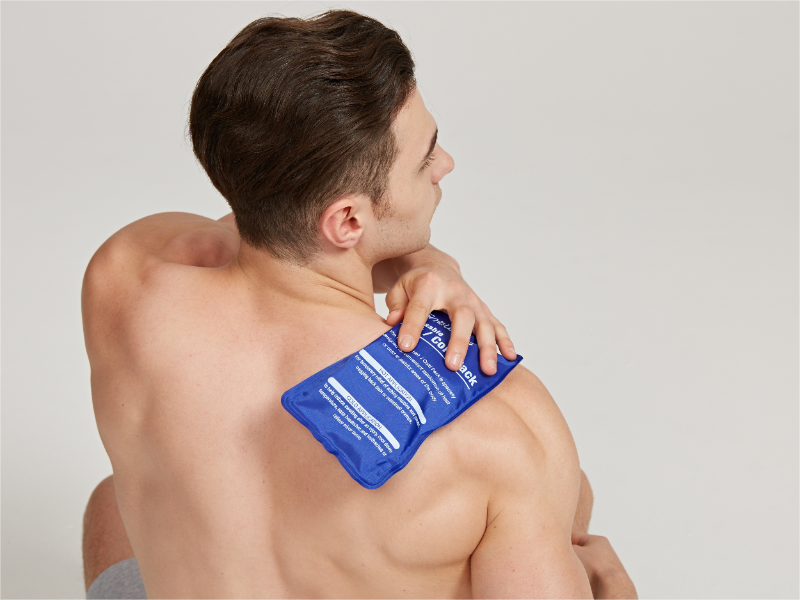
Prioritize leak-proof design: Opt for ice packs with double-layered or thickened materials (such as PE+PA composite film) and reinforced sealed edges to prevent leakage of cold gel, which avoids wetting skin, clothes or wounds during use.
Consider gel quality: High-quality cold gel has good cold retention, can maintain low temperature for 2-4 hours (longer for medical-grade ones), and won’t freeze into hard blocks easily—this ensures comfortable contact with the body without causing frostbite.
Check safety standards: Choose products that meet food-grade or medical-grade safety certifications (e.g., FDA, CE). The gel should be non-toxic, non-irritating, and odorless to avoid skin allergies or adverse reactions, especially for children or sensitive skin users.
Select the right size and shape: For targeted use (e.g., eyes, joints like knees/elbows, forehead), pick small, flexible, or contoured ice packs that fit the body part tightly; for large areas (e.g., back, thighs), choose larger, foldable ones for better coverage.
Look for reusability and durability: Reusable ice packs are more cost-effective and eco-friendly. Ensure the material is wear-resistant, not easy to crack after repeated freezing and thawing, and can withstand long-term use.
Optional additional features: For convenience, choose ice packs with a soft fabric cover (to reduce direct cold stimulation), or those that are microwave-safe (for dual hot/cold use) if you need versatile functionality.
Click here to find the professional manufacturer for cold packs.
Post time: Dec-15-2025